
A flooded road, a dead signal and a live link that held
Daniel Okafor
5 minutes to read
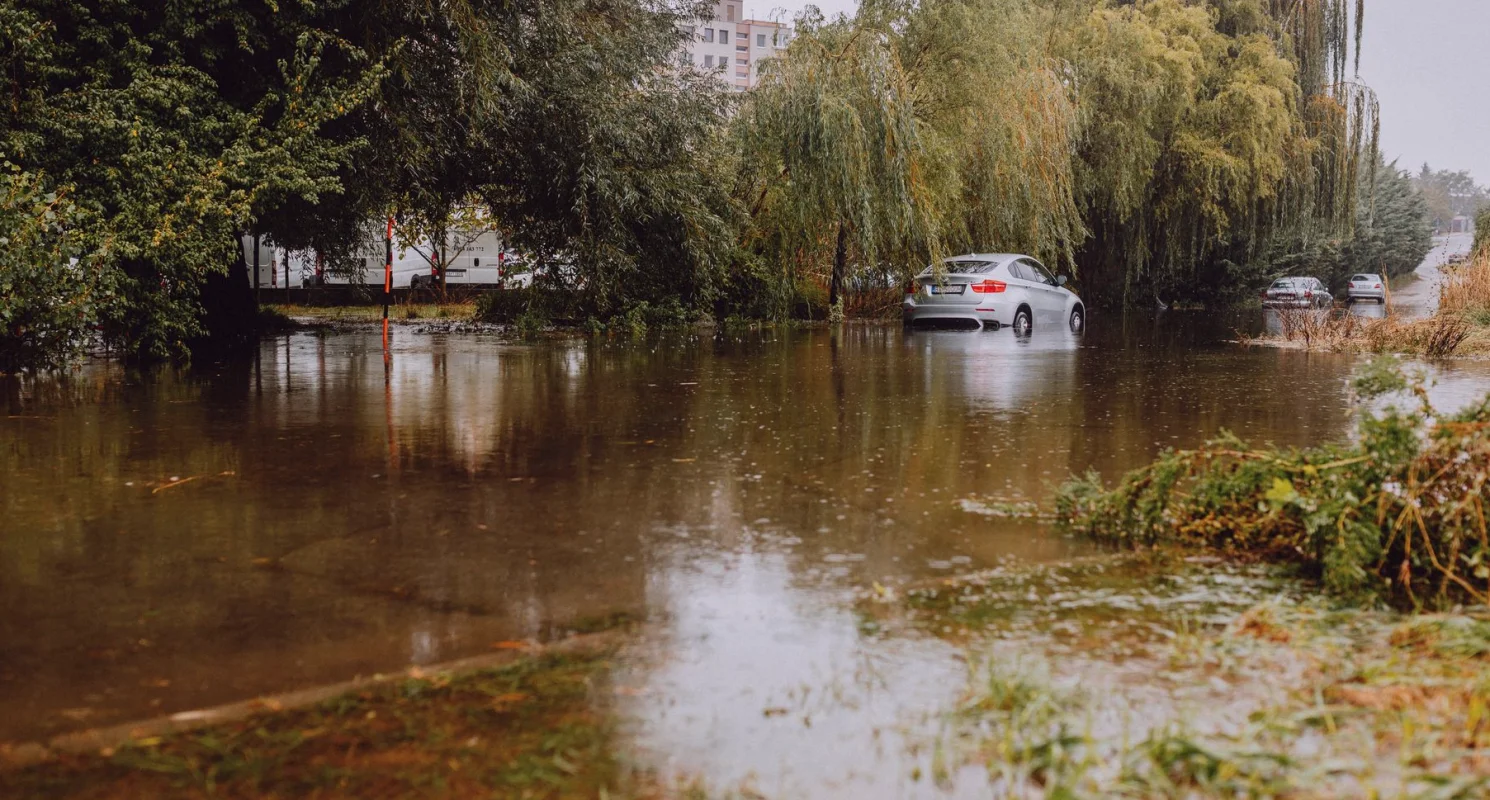
Daniel Okafor tells how a regional newsroom producer called Aled got a portable live unit to a cut-off village during heavy autumn rain, and what the gallery saw.
Choosing a position the signal could reach
Setting up in the rain
Carys Llewellyn shot the pictures, and the weather made everything slower. The camera needed a rain cover, the cables needed raising off the wet ground, and the reporter's microphone needed shelter from wind that kept pushing the rain sideways. Megan set up the portable unit under a small awning, and the first thing she did was a quiet test transmission, well before anyone was expected on air.
Aled's gallery could see the test frame within minutes of it starting. Megan then ran a sound check with the reporter, because rain on a hood can ruin an otherwise clean interview. She moved the microphone lower and closer to the reporter's chin and asked Aled's engineer to confirm the levels at their end, so nobody was guessing.
What went wrong and how it was handled
What the gallery received
The live segment ran for just under four minutes. Pictures were steady, the water was clearly visible behind the reporter, and the sound was clean enough that Aled did not need to cover it with captions. Afterwards Carys sent him the raw material from the morning, and I cut a short package from it for the evening programme, finished to his house style and delivered in the format his system expects.
Aled's note back was brief and practical. He asked us to keep the same crew available whenever the river rises again, and to send him the position notes Megan had written so his own team could use them. That is a good measure of a job done well: the producer wants to reuse the method, not just thank anyone for it.
Aled's story is a small one, but it shows how a live link really works: a good position, a quiet test well before air, clear talkback and a fallback agreed beforehand. The equipment is portable and dependable, yet the outcome rests on planning with the producer. If you are weighing up live feeds for a developing story, start by telling us where the pictures need to come from and when your gallery needs them.
More from the newsroom
Studio Interview Mistakes We See Often, and How to Avoid Them
Most problems with a recorded interview start before anyone sits down. Megan Thomas goes through the slips that cost newsrooms time in the edit, and the simple habits that prevent them.
Inside the Edit Suite: How Fast Packaging Gets a Bulletin Ready
A look at how our editors turn raw news footage into reports and clips finished to a client's house style and delivered in the format their gallery expects.
The kit a breaking news crew carries and why each piece earns its place
Carys Llewellyn, our senior camera operator, explains what goes into a crew bag for a developing story: the camera, the sound kit, the lights we leave behind and the small items that save a shoot.