
Our work
A look at the scenes, equipment and working steps behind the news video we produce, and the kinds of newsroom we produce it for.
What our shoots and edits look like up close
These scenes show the everyday detail of news production: kit on location, feeds being checked, footage under edit and interviews being recorded. Each one is a step that sits behind a finished report.
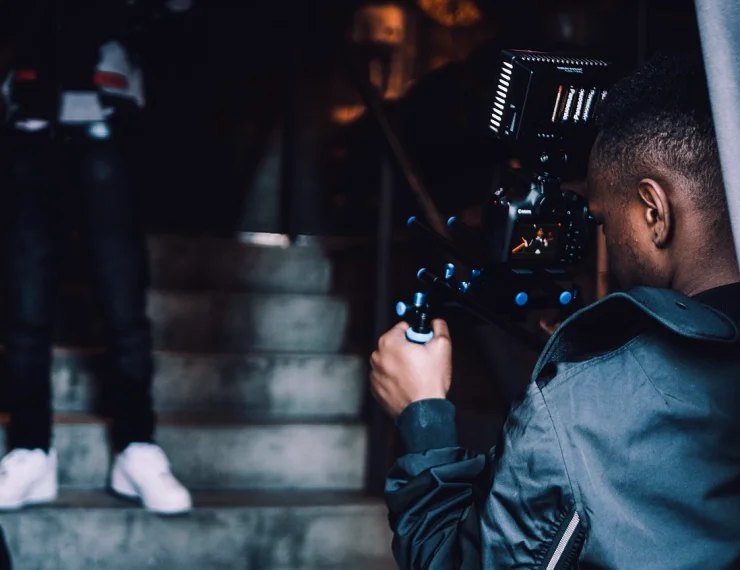
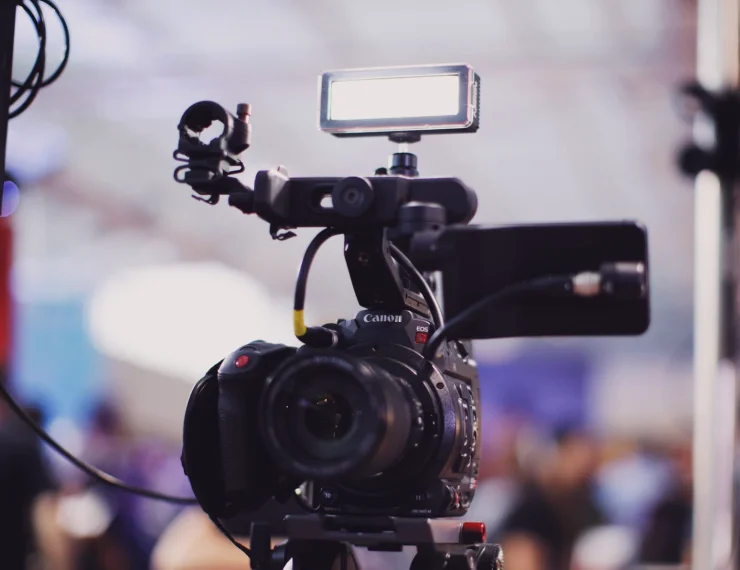
Handheld shooting at a developing story
Handheld technique lets an operator move with events and still keep the picture steady. Carys trains new operators in this approach, with attention to framing and to keeping sound usable from the first clip.
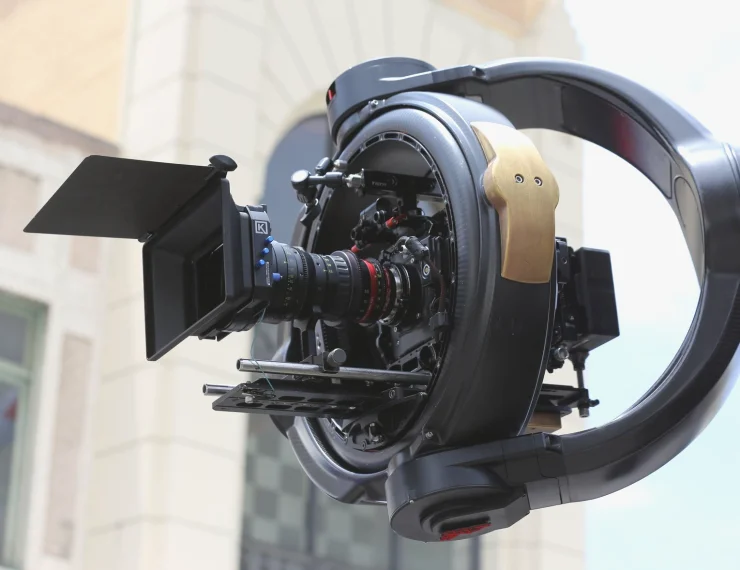
Setting up a portable live unit
A live feed is tested well before air. The engineer checks the signal path, the audio return and the talkback with your gallery, so any fault is found while there is still time to fix it.
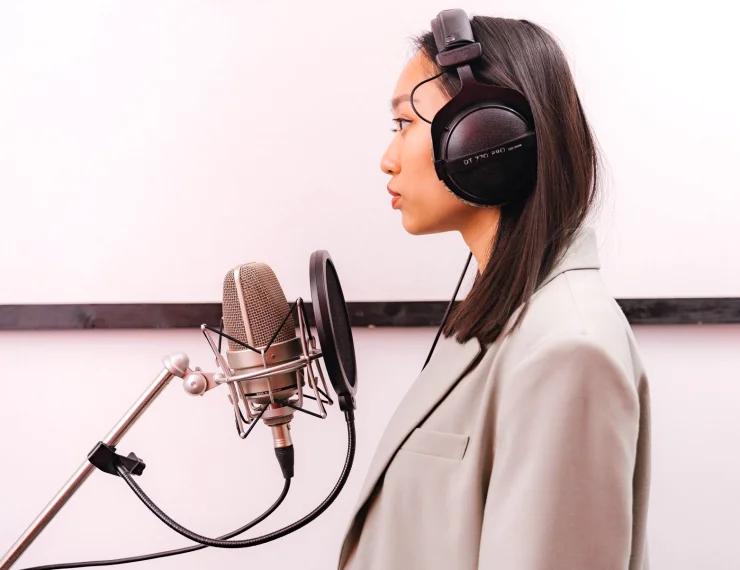
Checking sound on location
Clear sound is recorded at source, with microphones placed and levels watched on headphones. A clean recording on location saves time later and keeps interviews and natural sound fit for broadcast.
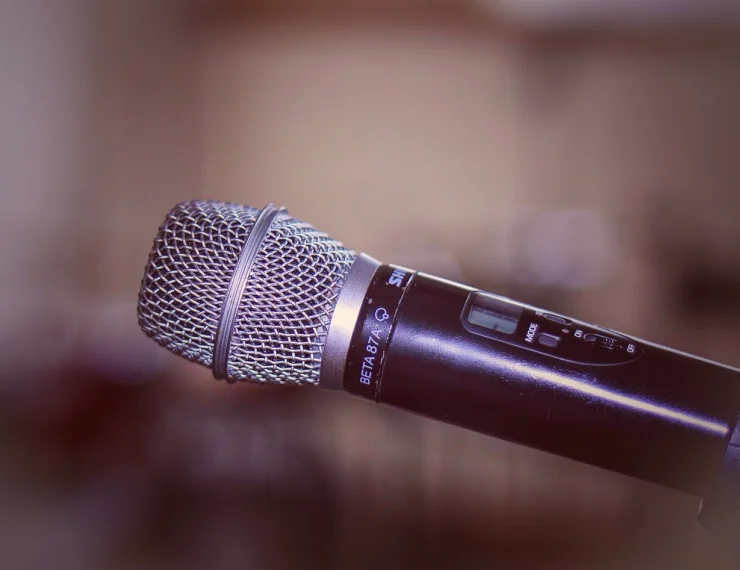
Cutting a bulletin package
Packages are cut against the clock, with picture, voice and sound laid out so that each version can be checked quickly. Daniel keeps the finish consistent so the report sits well alongside your other items.
Lit studio interview
In the studio, two chairs, controlled lighting and a director and sound engineer give a calm, consistent setting. The same arrangement can be reproduced at your own premises when travel suits you better.
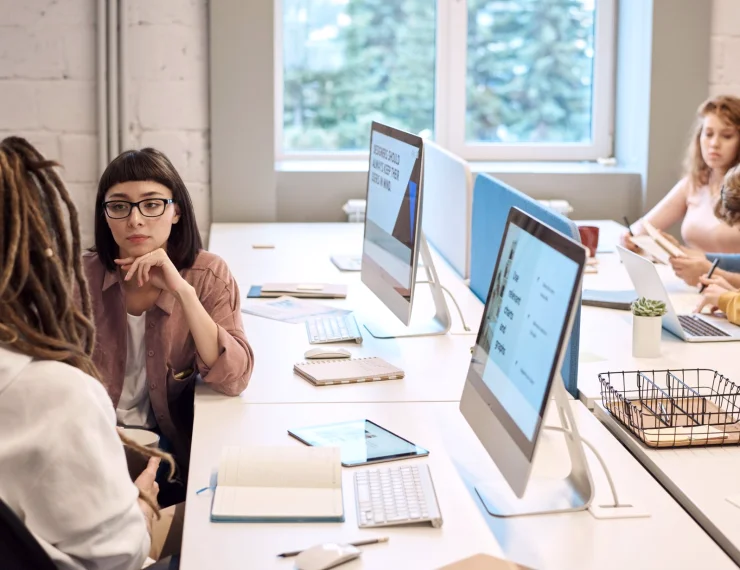
Footage arriving in the newsroom
Material is ingested, named and passed to the right desk. Agreeing the file naming and hand-over steps in advance means producers can find the clip they want without searching through folders.
The newsrooms and teams we usually serve
Our clients are the people who put news on screen: editors, producers and broadcasters who need dependable video quickly. Each group uses our services differently, and we adjust the crew, the format and the delivery route to suit the way their team already works.
Regional television newsrooms
Daily bulletins that need crews on local stories, quick edits and pictures delivered in the house format by a set time.
National broadcasters' news desks
Teams that want extra crew capacity in south Wales, with footage logged and named in the way their editors expect.
Programme and current affairs producers
Producers who need recorded interviews with a director and sound engineer, lit consistently and handed over ready for the edit.
Duty editors and planning desks
Editors who need a crew and a plan for a developing story, with clear contacts and agreed delivery points throughout.
Gallery and live production teams
Teams that depend on tested live feeds from the scene, with clear audio and a named engineer on the line.
Newsroom operations and technical managers
People responsible for ingest, file naming and hand-over, who want footage to move through their systems without delay.
Live Link and Remote Feeds
This service is for gallery teams and producers who need pictures and sound sent from a scene while a story is still unfolding. Portable units carry the feed back to your gallery, with an engineer looking after it.
Contact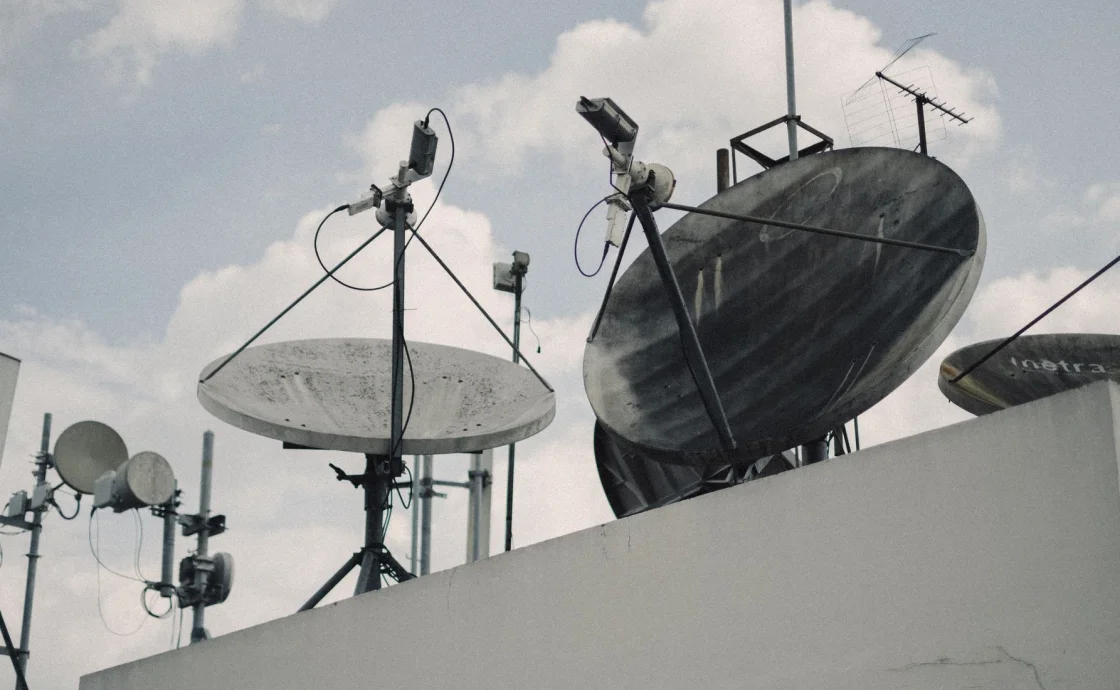
- Portable live units
- Compact units travel with the crew and can be set up at the scene without a large vehicle, so pictures can go back to the gallery from places where access is limited.
- Testing before air
- The engineer checks the signal, the audio return and talkback with your gallery ahead of broadcast, so any problem is found early and put right before the live slot.
- Clear audio throughout
- Megan monitors sound for the whole feed, balancing the reporter, any guests and background noise, so what reaches your gallery is clear enough to go straight to air.
- A named engineer on the line
- One person stays in contact with your gallery for the duration, which means problems have a single point of contact and decisions are taken quickly on the day.
Tell us the location, the planned air time and who in your gallery will take the feed, so we can test the link with them before broadcast.