
A Late Call, a Flooded Road and One Crew on Site
Carys Llewellyn
5 minutes to read
Carys Llewellyn tells how a newsroom producer, Aled, called in a crew at dusk for a developing flood story, and what the crew did in the first hour on site.
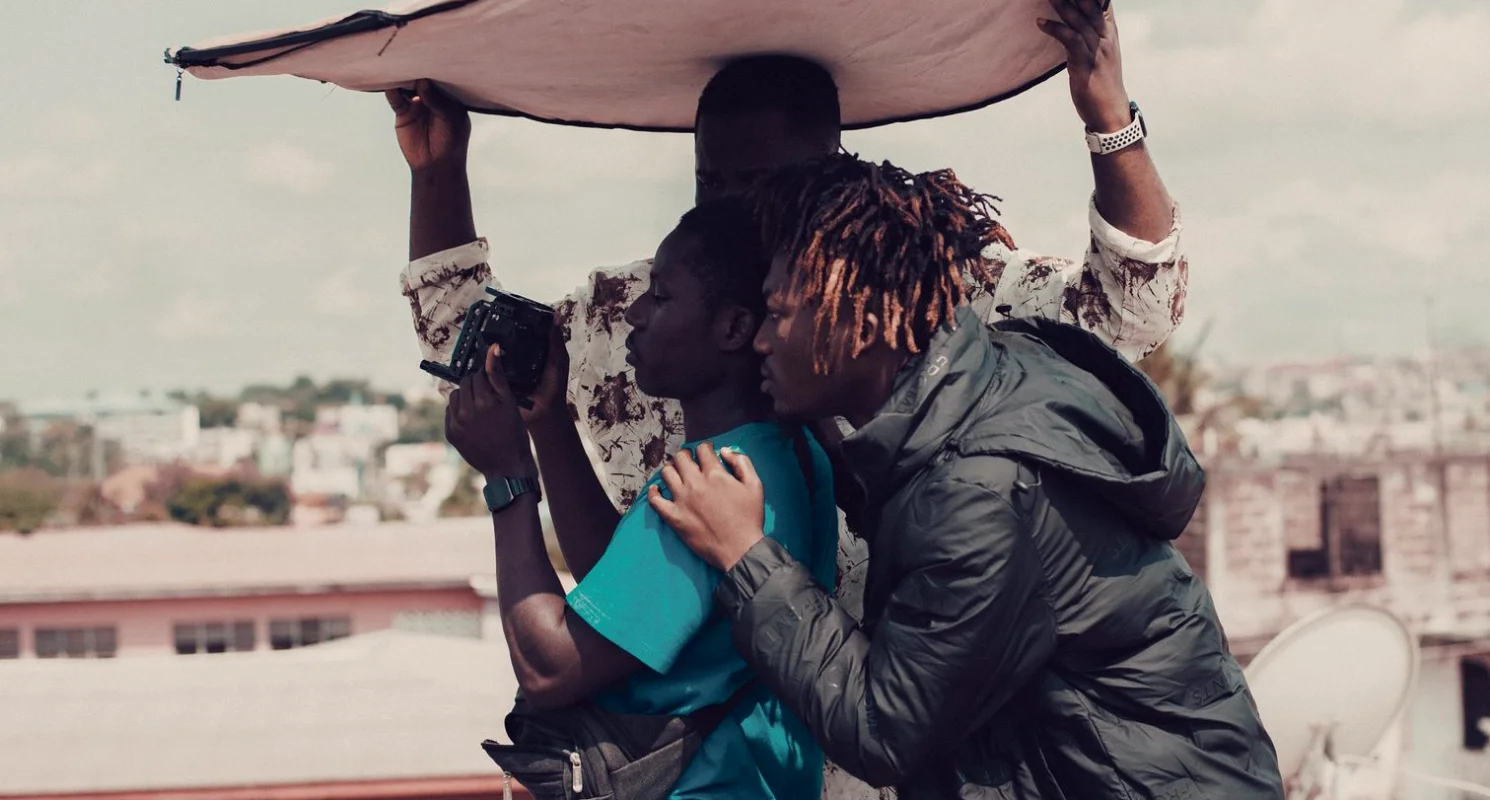
Planning the drive and the first look
The producer used the drive to build a picture of the site. Local road updates, the newsroom's own notes and a call to Aled's contact on the ground told us which side of the water was reachable and where it was safe to stand. We chose a lay-by on higher ground over a closer spot that looked better on a map, because a camera that cannot be kept dry and a crew that cannot be reached by the news desk are of no use to anyone.
On arrival I walked the area before taking the camera out of its bag. I looked for the wide shot that explains the story, the details that give it scale, and a position where traffic would not pass behind me. Ten quiet minutes of looking meant the filming itself was calm and quick, and we lost no time moving about once the light began to fade.
Shooting for the bulletin, not for ourselves
Getting pictures back to the newsroom
With the light going, we did not wait to return to the yard. The producer checked the best shots on a monitor, named the files the way Aled's newsroom asks, and sent the first batch from the car while I kept shooting a final round of pictures in the dusk. The newsroom's own editor had footage in front of him well before the evening bulletin was due to be built.
We kept a second copy of everything on a separate card in case a transfer failed. Nothing went wrong that evening, but with a developing story the copy is part of the job, not an extra. Aled replied with a short message confirming the files had opened and played, which is all a crew wants to hear.
What the crew changed along the way
The story did not stay still. An hour after we arrived, the water rose over the lay-by's lower edge and police moved everyone back along the road. We moved with them, lost one planned shot of the lower bridge and replaced it with a longer view from the new position. Aled was told at once, so he could adjust what the reporter would say over the pictures.
That is the habit I try to teach newer operators: say what has changed, as soon as it changes. A producer who knows a shot is gone can plan around it. A producer who finds out when the files arrive cannot. Short, plain messages from the field are worth more than a long and perfect explanation afterwards.
What Aled took from it, and what I did
Afterwards Aled said the useful part was not the speed but how little he had to manage. He gave us the location, the format and the deadline, and the crew handled the rest without needing repeated calls. He has since sent us other early-evening jobs, and each begins the same way, with those few questions answered first.
For my part, I took away the reminder that the best pictures are chosen before the camera comes out. The lay-by, the order of shots and the early message about the lost bridge view all came from planning, not luck. A crew that arrives with a clear idea of the bulletin can work faster than one that simply arrives first.
A breaking news crew is judged on what reaches the newsroom and how cleanly it arrives. Aled's flood call shows the pattern we follow: clear questions before leaving, a short look before filming, shots ordered for the edit, and honest messages when a plan changes. None of this is unusual, and all of it depends on doing the small things the same way every time.
More from the newsroom
Briefing an Edit: A Practical Guide to Fast News Packaging
A step-by-step guide to handing footage to an editor so a report is cut quickly, matches your house style and arrives in the format your gallery expects.
What Do You Need on Site Before a Live Link Can Go to Air?
The question we hear most from newsroom producers: what must be in place before a portable live unit sends a signal back to your gallery. A plain answer from the production desk.
Live Link Mistakes We See Most Often and How to Avoid Them
Most failed live links go wrong long before the red light comes on. Here are the common mistakes with remote feeds and the habits that keep a picture reaching your gallery.