
headluma
News and notesEditing advice

Cutting News Packages Through the Dark Months of Autumn

Carys Llewellyn

5 minutes to read

Shorter days change the pictures that arrive in the edit. Carys Llewellyn explains what to expect in the cutting room this season and how to keep bulletin packages clean.
Cutting News Packages Through the Dark Months of Autumn

What the light does to your footage

From mid autumn the working day on location shrinks. A story that breaks at four in the afternoon is often shot in fading light, and by the time the footage reaches the edit it carries a colour cast, noise in the shadows and exposure that drifts from shot to shot. I shoot for a living, so I see this from the camera side first, and it shapes how I brief the cutting room before a crew even returns.

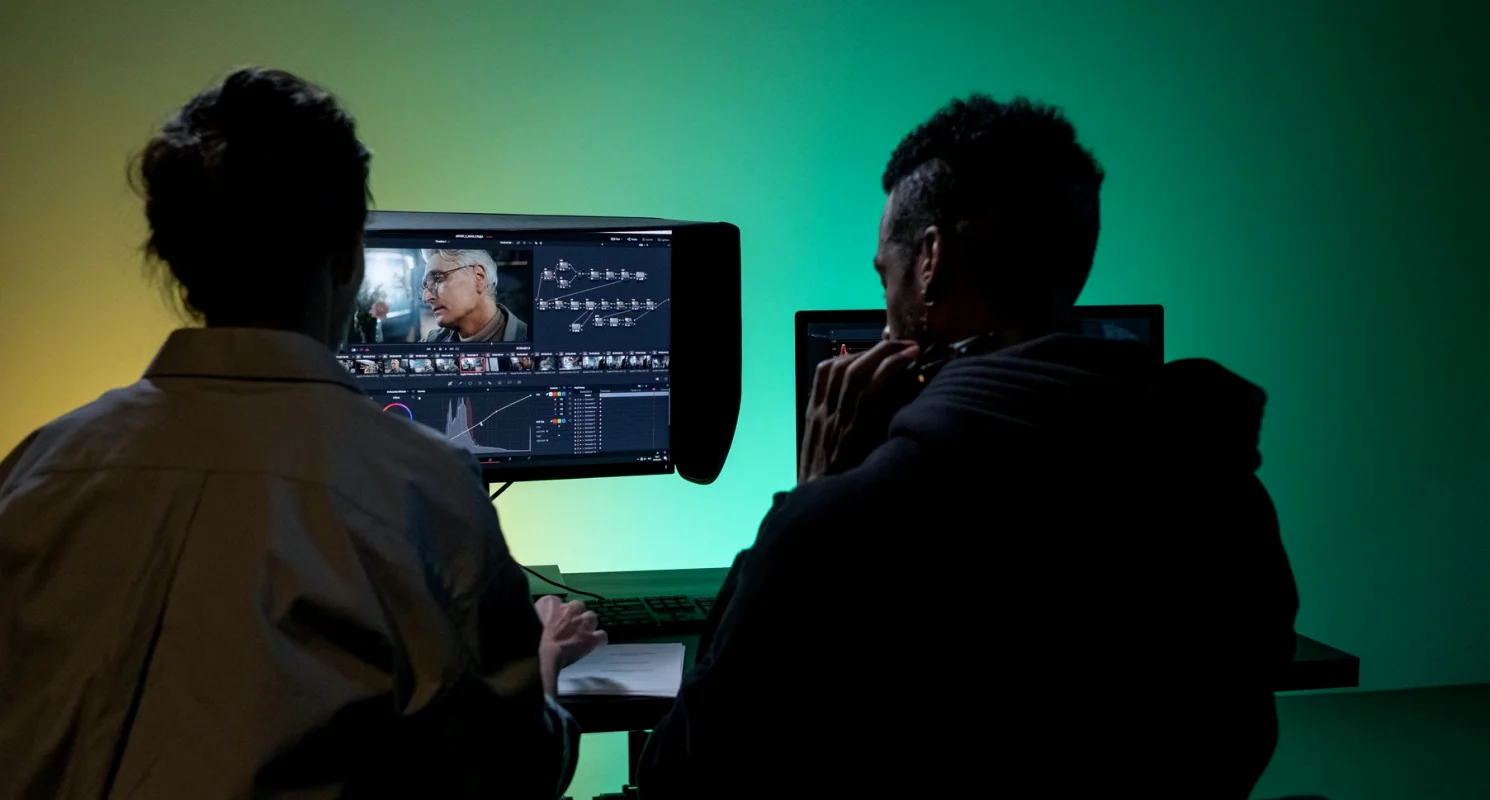
For the editor, the practical result is that a single report can contain material from three different qualities of daylight, a van's interior and a floodlit street. Our editing work starts by looking at all of it together before a single cut is made, so that the grade can be planned rather than patched story by story.

Plan the grade before you plan the cut

It is tempting to assemble the story first and fix the pictures afterwards. In autumn that order costs time. Matching a dusk exterior to a midday one is far easier when the choice of shots already allows for it, and sometimes the better answer is to swap a clip rather than rescue it.

In our packaging work we mark the weakest shots on the first pass and decide whether they stay. A short, slightly grainy shot of something important is usually worth keeping. A long, murky one rarely is. Making that call early keeps the delivery deadline realistic and stops the final stage from filling up with repair jobs.

  • Mark shots with heavy noise on the first viewing
  • Group clips by lighting condition before grading
  • Keep one clean reference frame for the whole report

Weather, wet lenses and what the edit can hide

Rain, spray and condensation are part of the season. A camera operator can wipe a lens between takes, but not every moment allows it, and some frames arrive with drops or fog at the edges. The edit can sometimes crop or shorten these, though it cannot restore detail that was never recorded.

What we do control is how long a compromised shot stays on screen. A wet frame held for two seconds under a strong line of commentary reads as the conditions of the story. The same frame held for ten reads as a fault. Part of good packaging is judging that line, and telling the newsroom plainly when a shot is only usable as a cutaway.

Sound in cold, windy, crowded places

Autumn weather is rarely quiet. Wind across a microphone, traffic on wet roads and the hum of generators at outdoor scenes all end up in the soundtrack. Pictures can be forgiven a certain roughness in a breaking story, but speech that cannot be understood cannot be broadcast.

In the cutting room the first task is to protect the voices: levelling interviews, trimming wind from the start and end of clips, and using natural sound from a better moment to carry a scene underneath. If a line of speech is simply lost, we flag it to the producer straight away so the script can lean on a different clip rather than discovering the problem at the last minute.

  • Check every interview for wind before approving it
  • Use natural sound sparingly under commentary
  • Tell the producer early if a quote is unusable

Keeping house style steady when the days shorten

The more varied the source material, the more a house style matters. Lower thirds, caption timing, transitions and the order of shots in a package give viewers a sense that every report comes from the same newsroom, however it was gathered. When footage is rougher, that consistency does a lot of quiet work.

We finish every package to the style a client gives us and deliver it in the format their ingest expects. Before the season turns, it is worth sending us any updated graphics, new naming rules or changes to loudness requirements, so that nothing is discovered on a busy evening. A short written note of what has changed is usually all we need.

A short checklist for the coming weeks

Most of what makes an autumn package go smoothly happens before the edit begins. Crews and editors work best when the information passes cleanly between them, and a few small habits keep the pipeline moving even when the daylight does not cooperate.

I would ask every newsroom we work with to think about three things: how late footage tends to arrive, which shots it can live without, and what the final hand-over must look like. Answering those in advance gives the editor room to make sound decisions quickly, and gives you a finished report that is clear, consistent and ready for the gallery.

  • Say how late material is likely to arrive
  • Name the clips that must be used
  • Confirm format, loudness and file naming up front

Autumn does not make news video harder to edit so much as less forgiving of late decisions. Plan the grade early, protect the speech, keep weak shots short and hold to your house style. If you tell us what is changing on your side, we can set the edit up properly before the first dark evening of the season, and the reports that reach your viewers will look and sound as steady as the ones from summer.

More from the newsroom

  1. Studio or Your Premises: Choosing Where to Record an Interview

    Two ways to run a lit television interview, in our Swansea studio or at your own premises. We compare what each gives you and say which we recommend for most newsroom requests.

  2. The kit a breaking news crew carries and why each piece earns its place

    Carys Llewellyn, our senior camera operator, explains what goes into a crew bag for a developing story: the camera, the sound kit, the lights we leave behind and the small items that save a shoot.

Find us

Visit us
14 Wind Street Yard, Swansea SA1 1DP
By phone
01792 410286
headluma

News video production from Swansea: crews, live links, fast editing and studio interviews for television newsrooms and broadcasters across the UK.

© 2026 headluma. All rights reserved.