
headluma

What "Standby" Means When You Book a Breaking News Crew

Megan Thomas

5 minutes to read

A crew on standby is not the same as a crew on the road. Megan Thomas explains the term in plain words, and what it asks of both your newsroom and ours.
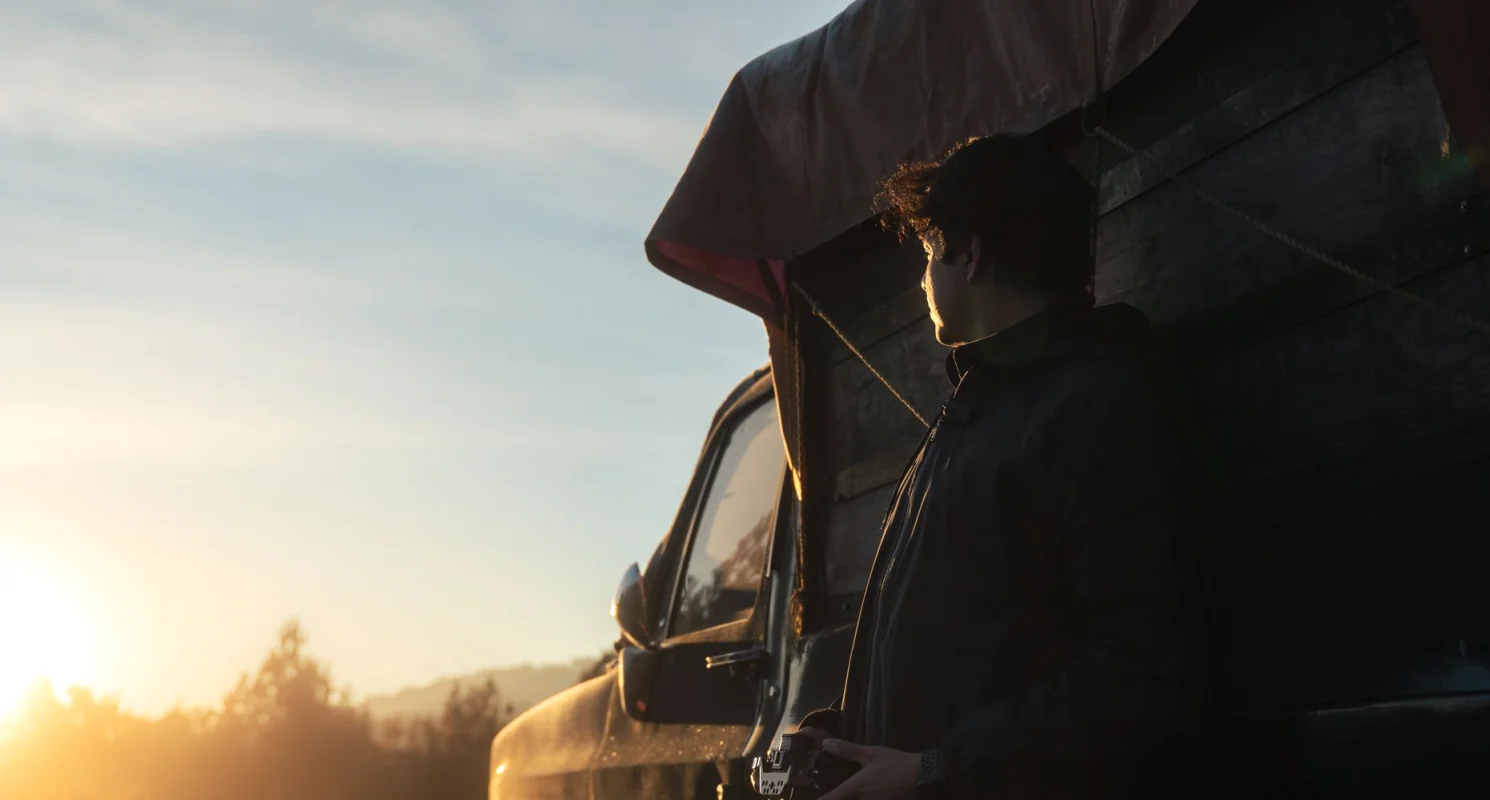
What "Standby" Means When You Book a Breaking News Crew

The word that causes most confusion

Few words in our trade are used as loosely as standby. An editor says it down the phone and means one thing, a producer hears another, and by the time a camera is needed nobody is sure who agreed to what. So it is worth pinning down before a story breaks rather than during one.

In plain terms, standby means a crew is held free for you for an agreed window of time. They are not shooting for someone else, they have kit checked and charged, and they can leave the building when you call. They are not yet at a location, and nothing has been filmed.

I look after sound and live links for Breaking News Crews, so I see the same pattern each autumn: standby works best when both sides can say, in one sentence, what it covers and when it ends.

What a crew is doing while it waits

A crew on standby is not sitting idle. The camera operator and producer are close to the vehicle, with batteries charged, cards cleared and radio mics tested. Tripod, lights and a basic rain cover are already packed, because loading kit after the call costs the first minutes of a story.

We also use the quiet time to read. The producer follows the developing situation, notes likely locations, and works out two or three routes, since a road that looks clear at nine can be closed by ten. Rhys Pritchard plans these crews, and he would rather a team spent standby time on route and access than on tea.

What standby does not include is shooting. Footage made speculatively, before you ask for it, is a separate matter and is agreed in writing, not assumed.

  • Kit charged, tested and packed in the vehicle
  • Routes and likely locations worked out in advance
  • A named producer reachable on one phone number

Standby, call-out and dispatch are not the same

Three terms get blurred together. Standby is the holding period. A call-out is your instruction to move: from that moment the crew is on its way, and the clock for travel and shooting runs. Dispatch is the point at which the crew is physically heading to a named place.

The difference matters because each stage answers a different question. Standby answers whether a crew is available. Call-out answers whether you want one sent. Dispatch answers where they are and when pictures can reach you.

When we agree terms, we write which of the three each message refers to. It sounds fussy, but a text reading 'go' on a busy morning needs only one possible meaning. If you ever find our wording unclear, ask us to restate it in your own newsroom's terms.

Why the window has to be stated

A standby window is a start time and an end time. Without an end, a crew can be held indefinitely, which is unfair to the people in it and unhelpful to you, because a tired crew shoots worse than a rested one. We ask for both times, and for what happens if the window runs out while a story is still developing.

Most newsrooms choose one of two routes: extend the window by a set period, or release the crew and re-book. Neither is wrong. What causes trouble is a window that quietly lapses and nobody notices until pictures are needed.

In these autumn weeks, with early darkness and unsettled weather, we also check how long usable light lasts at your likely locations. A standby that ends at four may be pointless for an exterior if the light has gone by half past.

  • Start and end time written down
  • Extension or release agreed beforehand
  • Light and weather considered for exterior work

What we need from you during standby

Standby is a two-way arrangement. Our side is availability and readiness; yours is a clear line of contact. We need one named person on your desk who can say go, and a number that is answered. If the decision sits with three people and none are reachable, the crew waits and the story moves on.

It also helps to tell us your delivery format and hand-over route in advance: file type, naming, where footage is uploaded, and whether you want a rough cut or raw material first. Daniel Okafor and the editing team can then match your house style from the first clip rather than correcting it later.

Finally, tell us what you would like if the story turns out smaller than expected. A crew that has travelled for a minor event can still gather useful cutaways, but only if we know that is welcome.

  • One named decision-maker and a working phone number
  • Delivery format and upload route confirmed
  • Instructions for a story that proves smaller than expected

Questions worth asking any crew provider

Whoever you book, a few questions make standby clearer. How quickly can the crew leave once called, and from where? Who is in the crew, and who reaches you first? What happens to the booking if the story does not develop? And how is the time between standby and call-out recorded?

Honest answers may be less exciting than a promise of instant arrival. Travel from Swansea to a site some distance away takes real time, and a provider who ignores that is guessing. We would rather give you a realistic estimate and meet it.

Ask also what is written down. A short confirmation by email, naming the window, the contact and the format, saves arguments later and takes two minutes to produce.

Standby is simply a promise of readiness for a stated period, with a crew that is prepared but not yet moving. Once everyone uses the word the same way, and the window, contact and format are written down, a breaking story becomes a matter of one clear instruction and a crew that already knows where to go.

More from the newsroom

  1. What Newsroom Workflow Support Costs and What Moves the Price

    Megan Thomas explains how we price ingest, file naming and hand-over setup, which parts of a newsroom determine the cost, and what to have ready before you ask for a quotation.

  2. A flooded road, a dead signal and a live link that held

    Daniel Okafor tells how a regional newsroom producer called Aled got a portable live unit to a cut-off village during heavy autumn rain, and what the gallery saw.

Find us

Visit us
14 Wind Street Yard, Swansea SA1 1DP
By phone
01792 410286
headluma

News video production from Swansea: crews, live links, fast editing and studio interviews for television newsrooms and broadcasters across the UK.

© 2026 headluma. All rights reserved.